Pyrethroid insecticides have been under scrutiny for several years resulting in recent changes to water quality requirements. The changes set monitoring levels for pyrethroids at nanograms in surface waters. Consistent exceedances of the levels could result in additional restrictions to pyrethroid use, or designate a drain as impaired with future restoration to correct the water quality. Last year, one of the water quality coalitions had a detection that could be problematic under the new standards.
READ MORE
Article by Luis Espino, Rice Farming Systems Advisor, Butte and Glenn Counties
Ten
sites have been set up so far, mostly on the west side of the valley
where planting has moved a bit quicker than in the rest of the valley.
READ MORE
Article by Luis Espino, Rice Farming Systems Advisor, Butte and Glenn Counties
The first set of traps were set up on April 19, and more traps are being set up as fields get ready for planting. So far, seven sites have been set up.
READ MORE
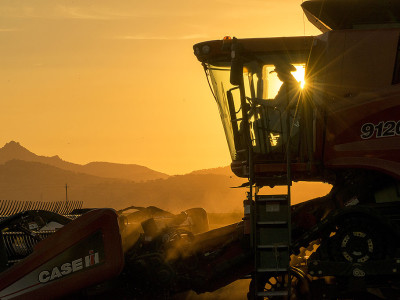
Weekly monitoring will start at all sites tomorrow, May 7. We increase monitoring around the Memorial Day holiday weekend with the program continuing into July.
READ MORE
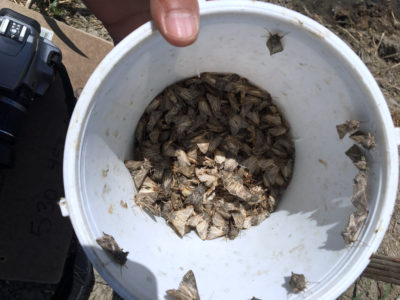
Photo and article by Luis Espino, Rice Farming Systems Advisor, Butte and Glenn Counties
The armyworm monitoring season has started. The first traps were set on April 19, and two more sites were set up on April 30. More traps will be set up in the following weeks as growers finish their ground work and get ready for planting.
READ MORE
Monitoring for 2019
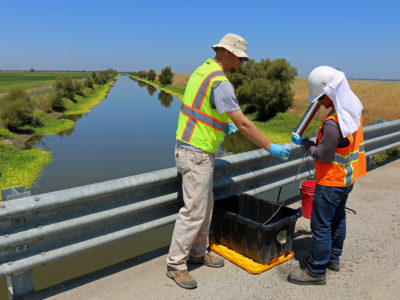
Thiobencarb monitoring starts at the Colusa Basin Drain 5 (CBD5) on Tuesday – the typical start date of water quality monitoring. The CBD5 site is off Highway 20 in Colusa County, and receives drainage from both Colusa and Glenn Counties. The Colusa County Agricultural Commissioner’s office announced receipt of the first thiobencarb notice of intent (NOI) with applications under way. Confirmation of intent to apply thiobencarb from the other rice counties will trigger the decision to add in the remaining monitoring sites. We estimate this will happen as early as May 7.
READ MORE
In order to prevent the spread of weedy rice, effective in 2019, growers may only use seed that has been enrolled in a certification program by an Association of Official Seed Certifying Agencies (AOSCA) member or is subject to a third-party quality assurance program approved by the California Rice Certification Committee. Currently, California Crop Improvement Association (CCIA) is the only organization offering these certifications for California rice.
READ MORE
CRC counsel Tess Dunham with Somach Simmons & Dunn has developed the following summary to assist growers in understanding both the new State Wetlands Policy and Dredge and Fill Procedures, as they apply to rice.
READ MORE
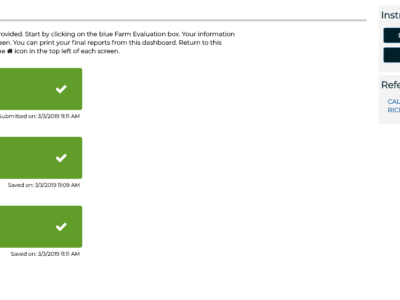
The due date for the Farm Evaluation and Nitrogen Management Plan reporting, for the 2018 crop year, was March 1. We are extending the due date to allow full compliance for this regulatory reporting requirement. The Rice Waste Discharge Requirements (WDR) reporting website will remain open to July 31 to allow compliance through the end of planting and the application season. We are also sending non-compliance reminder letters to specific individuals.
READ MORE
As a result of months of close work with the State Water Resources Control Board, rice (and wild rice) growers have received commodity specific exemptions in the newly adopted Wetlands Definition and Dredge and Fill Procedures. READ MORE